01 · On land
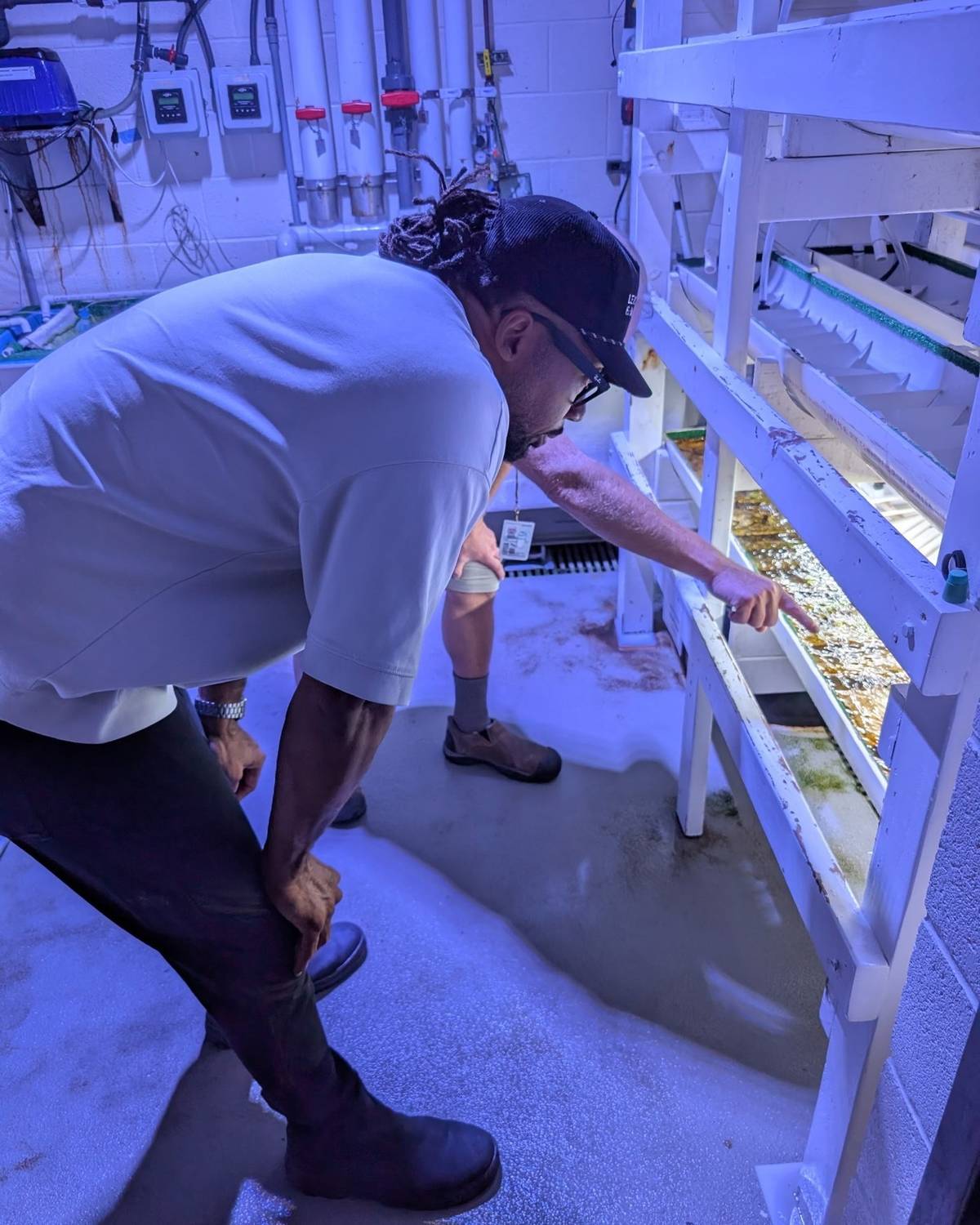
Land-based farms
The mission covers the whole field: if it’s grown responsibly on California soil, it has a home here.
Doesn't farming carnivorous fish use more wild fish than it makes? →How It Works
All of California aquaculture — land-based farms, shellfish, kelp, and offshore finfish. Scroll to follow the water out.
01 · On land
The mission covers the whole field: if it’s grown responsibly on California soil, it has a home here.
02 · Along the coast
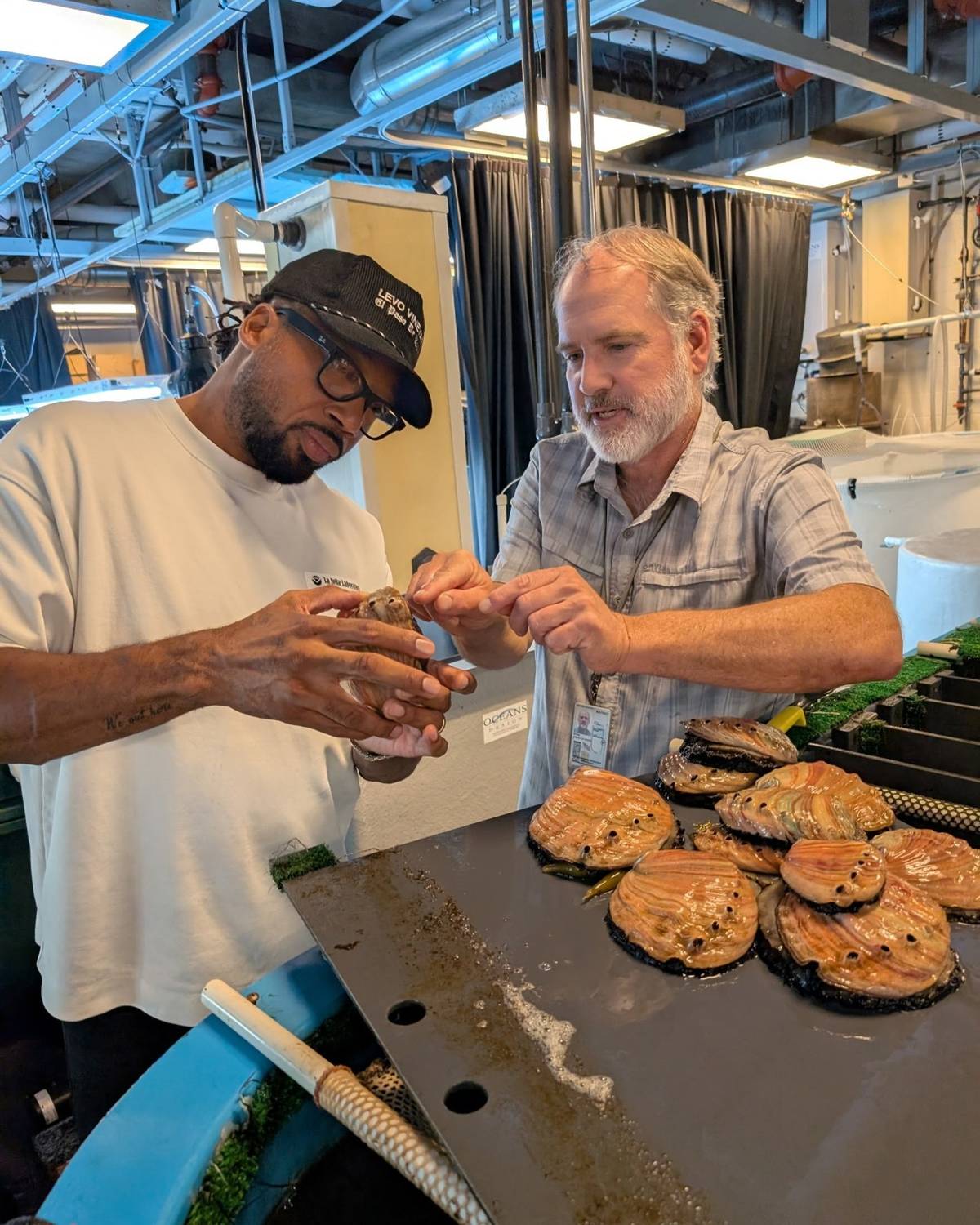
Shellfish and kelp are part of the same mission. They solve different problems than finfish, and a healthy system uses every responsible tool.
03 · Offshore
It leads the conversation because it faces the steepest questions — and ocean finfish can produce sushi-grade protein at a scale and cost the others can’t.
04 · The whole system
Every project is permitted individually — NOAA, EPA, Army Corps and the Coastal Commission, with public comment.
The rules of the water
NOAA, EPA, Army Corps and the Coastal Commission — with public comment.
Monitoring plans with NOAA and the EPA, annual reports, and sensors that flag problems in real time.
California yellowtail is native, and sterility research means escapees can’t breed.
In the U.S., almost no antibiotics are approved for aquaculture, and any therapeutic use needs a vet’s prescription.
From The CaliAqua Blueprint · every claim gets a linked source before launch
From the field